StrainsTerpenesGuidesDispensaries
WeedDB
StrainsTerpenesGuidesDispensaries

Get new strain guides and deals

Yes, email me new strain guides, deals and WeedDB news. I can unsubscribe at any time. Privacy policy

WeedDB
StrainsIndicaSativaHybridTerpenesGuidesAboutContactPrivacyTermsDispensaries
19+ only. Please consume responsibly. © 2026 WeedDB
Home›Strains›Hybrid›Durban Flame
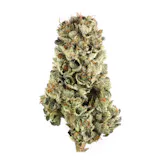
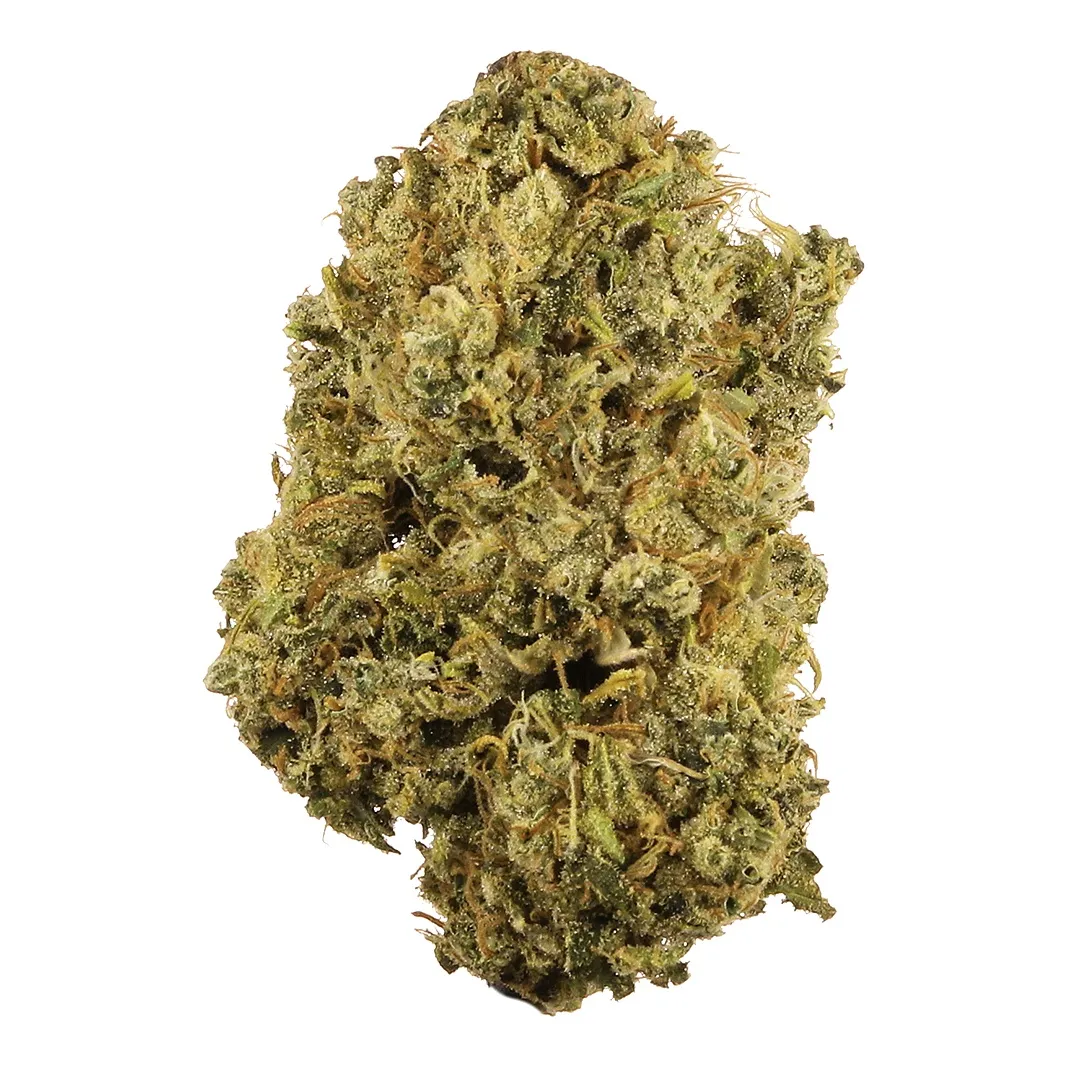
Durban Flame strain photoiPhoto: AllBud
Sativa-leaning hybrid

Durban Flame

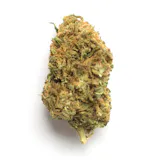
Durban Flame is a sativa-leaning hybrid bred from Durban Poison and Fire Cookies, listed at 29% THC. Only one source has published details on it so far, so this is a short listing rather than a full guide.

Details come from one strain database and aren't confirmed by a second source yet.
Reported THC
29%

How people describe it

ArousedEnergeticEuphoriaRelaxingSleepyTingly

Smell and taste

CitrusEarthyFloweryHerbalLavenderPungentLemonSour

Family tree

Durban Poison×Fire CookiescrossDurban Flame

Strains near it in popularity

Divine Kush Breath strainDivine Kush BreathTHC 25%Donkey Kong strainDonkey KongTHC 18–26%Double Cross strainDouble CrossTHC 28–34%Face Mints strainFace MintsTHC 20–27%FmFantasy MelonStrainFish Scale strainFish ScaleTHC 25–26%

Guides to read next

Diesel strains: Sour Diesel, NYC Diesel and the gas familyDiesel strains are the cannabis family known for a sharp fuel smell, built around Sour Diesel and NYC Diesel. Their roots are reported to lead back to Chemdawg, though the origin of Sour Diesel itself is disputed.What is greening out? Signs and what to doGreening out is a slang term for taking more cannabis than your body handles comfortably, usually with a wave of unpleasant physical and mental effects. It is generally temporary. The usual advice is to stop consuming, get somewhere calm, and call for help if symptoms are severe.How long does a high last? Smoked, vaped and ediblesHealth Canada says that after smoking or vaping you could feel effects for 2 to 4 hours, and after eating or drinking cannabis for 4 to 8 hours. Edibles also start later: within 30 minutes to 2 hours, compared with seconds or minutes when inhaled.