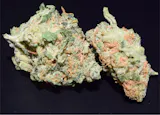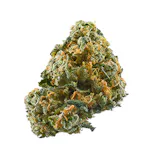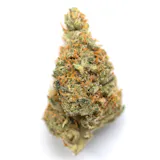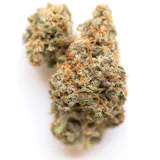
Banjo strain guide
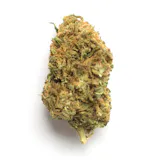
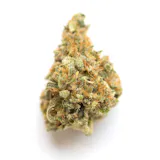
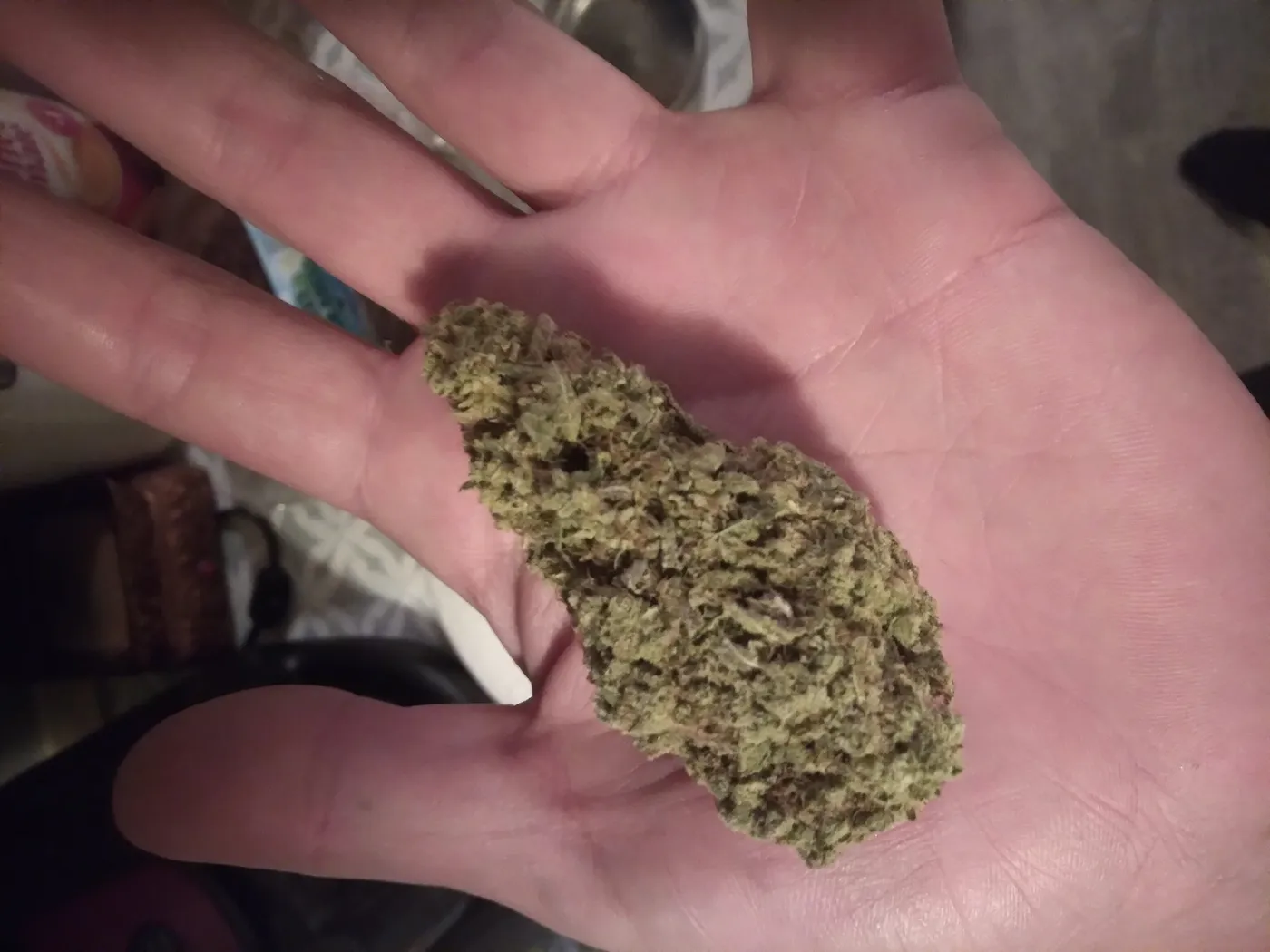
Banjo is a hybrid bred from Boost and Tangelo. Its smell is the thing people talk about: tangerine zest mixed with something close to freshly grated cheese. Most describe a fast, uplifted, tingly start with a calm body feel behind it.
Where does Banjo come from?
The sources that cover Banjo agree on its parents: Boost crossed with Tangelo. Both are fairly obscure, so Banjo is better known than either of them.
Who bred it is less settled. Different retailers credit different California breeders, and we couldn't find two independent sources that agree, so the breeder is not well documented. Sources also differ on its type: one strain database calls it an even 50/50 hybrid, while some sellers describe it as sativa-leaning.
What does Banjo smell and taste like?
Open a jar and most people get two things at once: bright tangerine and sour citrus, and a funky, cheesy skunk underneath. Some also pick up diesel and an earthy pine note. One reviewer summed it up as lemon skunk meets a tangy, savoury funk.
The flavour is usually gentler than the smell, sweet and piney with sour citrus on the finish. Myrcene most often leads its terpene results, followed by limonene and pinene. Limonene fits the citrus, pinene the pine, and myrcene the earthier, musky side.
Banjo effects: what people report
People most often call Banjo uplifted, tingly and energetic, with a quick, heady start. As it goes on, many describe a smooth, calm body feel that isn't tiring, and a few mention it feels balanced and long-lasting. Others found it more sedating than they expected.
These are experiences people report, not promises. How it feels depends on the product, how much you have and your own tolerance. Feeling anxious or paranoid and dry mouth are the most common complaints, and some batches test high enough that the effects can arrive faster than expected.
How strong is Banjo?
Banjo is usually a high-THC strain. Published listings put it anywhere from about 18% to 28% THC, with one major database giving 20% as typical. Reviewers report outdoor batches near the low 20s and indoor batches near the top of the range. CBD is close to zero.
If you're new to it, start small and wait before having more. The numbers on your label matter more than the strain name, and our guide to reading cannabis labels explains what they mean.
Buying Banjo in Canada
Different producers grow different Banjo cuts, so the smell can lean more citrus or more cheese depending on the batch. Look at who grew it and read the terpene numbers if they're listed.
You might find it as flower, pre-rolls or concentrates. Check the THC and CBD numbers and the packaging date, since fresher flower keeps more of that loud smell.
Banjo vs Tangie
There is no documented family link between these two, but Tangie is the best-known tangerine strain and the easiest comparison for Banjo's citrus side. Tangie is all bright, fresh tangerine with an energetic, upbeat feel, while Banjo pairs that citrus with a funky, cheesy skunk and tends to land a little calmer in the body. If you want clean, sweet citrus, start with Tangie. If tangerine with a savoury funk sounds interesting, try Banjo.
Strains like Banjo
If you like Banjo, these share parts of its citrus and funk:
- Tangie: bright tangerine and an energetic, upbeat reputation.
- Lemon Skunk: loud lemon over classic skunk, with a happy feel.
- Cheese: the best-known cheesy-smelling strain, more relaxed than Banjo.